
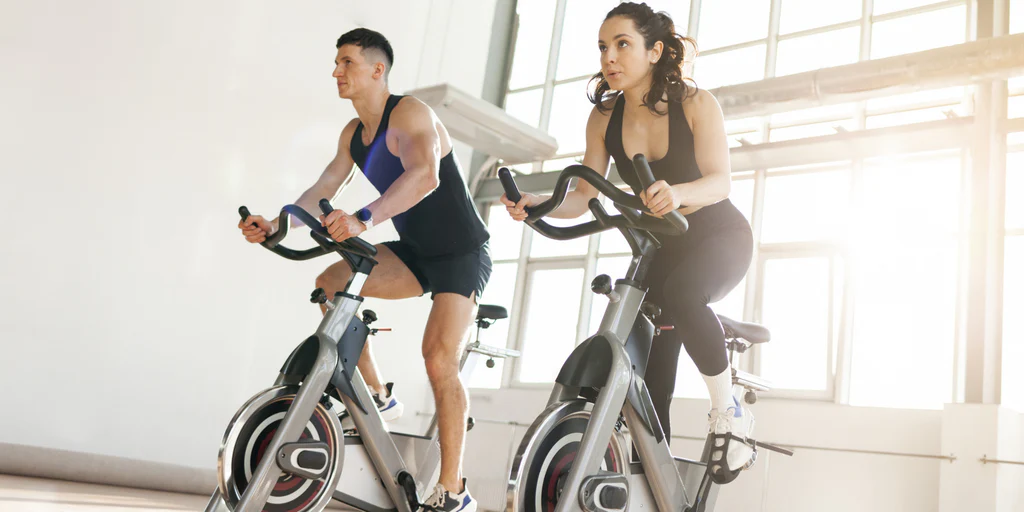
Singapore is, by many measures, one of the most high-functioning cities on earth. It is also one of the most stressed. A 2023 Cigna survey ranked Singapore among the top countries globally for workplace stress, with a significant proportion of workers reporting that stress was affecting their physical health, sleep, and personal relationships. The mental health conversation in Singapore has matured considerably over the past decade, but access to timely, affordable psychological support remains a challenge, and many people are still searching for tools that help them manage the daily weight of urban stress before it tips into something more serious.
Indoor cycling Singapore has quietly become one of those tools for a growing number of people, not as a replacement for professional mental health support when that is needed, but as a legitimate, evidence-backed intervention for managing stress, anxiety, and the low-grade burnout that characterises so much of modern Singaporean life.
Singapore’s Stress Problem and Why It Demands Serious Attention
The sources of stress in Singapore are layered and specific. Housing costs create sustained financial pressure for young adults navigating the property market. Career competition in a meritocratic culture places constant demands on professional performance. For parents, the intersection of career pressure with the demands of raising children in a high-achievement educational environment creates a compounding stress load that many describe as relentless.
What makes chronic stress in Singapore particularly insidious is how normalised it has become. Working long hours, sacrificing sleep, and treating rest as something to be earned rather than a baseline requirement are widely accepted as the cost of success. This normalisation makes it harder for individuals to recognise when their stress load has crossed from manageable into territory that is genuinely damaging their mental and physical health.
The physiological consequences of chronic stress are well-documented. Prolonged elevation of cortisol disrupts sleep architecture, suppresses immune function, contributes to weight gain particularly around the abdomen, impairs memory consolidation, and increases the risk of anxiety and depression. Managing stress is not a lifestyle luxury. It is a health necessity.
The Neuroscience of Exercise as a Mental Health Intervention
The idea that exercise is good for mental health is widely accepted, but the mechanism is more sophisticated and interesting than the commonly cited endorphin explanation. While endorphins do play a role, they are not actually the primary driver of exercise’s mental health benefits because endorphin molecules are too large to cross the blood-brain barrier in meaningful quantities.
What does cross the blood-brain barrier and drives measurable improvements in mood, anxiety, and stress resilience is a different set of neurochemicals. Brain-derived neurotrophic factor, or BDNF, which is sometimes called the brain’s growth hormone, is released in significant quantities during aerobic exercise. BDNF supports the growth and maintenance of neurons, enhances synaptic plasticity, and has been shown to have antidepressant effects comparable in some studies to pharmaceutical intervention, particularly in cases of mild to moderate depression.
Serotonin and dopamine production are both upregulated by regular aerobic exercise. These neurotransmitters are central to mood regulation, motivation, and the experience of reward. Their sustained upregulation through consistent exercise creates a neurochemical baseline that is genuinely more resilient to the stress spikes of daily life.
What is particularly relevant to indoor cycling is the additional neural benefit of rhythm-based, music-synchronised movement. Research into the neuroscience of music and movement suggests that synchronising physical movement to musical rhythm activates reward pathways in the brain with unusual efficiency, producing dopaminergic responses that exceed those of either music or movement alone.
Why Rhythm-Based Cycling Uniquely Calms the Nervous System
The nervous system has two primary operating modes. The sympathetic mode, which is the fight-or-flight state associated with stress, elevates heart rate, tightens muscles, and narrows cognitive focus to perceived threats. The parasympathetic mode, which is the rest-and-digest state, reduces heart rate, relaxes muscles, and allows the broader cognitive processing associated with creativity, connection, and a sense of wellbeing.
Chronic stress keeps the nervous system biased toward sympathetic dominance, which means many stressed Singaporeans are essentially running their nervous systems in a low-level emergency state for much of their waking lives. Exercise can help shift this balance, but not all exercise does so equally.
Rhythm-based cycling, where the cadence is driven by music tempo and the body is moving in a predictable, repetitive pattern, engages a neural mechanism related to what researchers call entrainment. The brain synchronises to the rhythm of the music, which produces a measurable reduction in the kind of amygdala hyperactivity associated with anxiety. The predictability of the movement pattern, in contrast to the cognitive unpredictability of activities like team sports or complex skill-based training, allows the anxious mind to settle into the rhythm rather than staying in a state of vigilant monitoring.
This is one reason why many people who arrive at a spin class feeling tightly wound and mentally cluttered report emerging from it feeling calm and clear, even though they have just performed significant physical work. The rhythmic entrainment, combined with the neurochemical benefits of aerobic exercise and the social buffering of the group environment, creates a genuinely powerful acute stress reduction experience.
The Group Effect: Why Riding Together Amplifies the Mental Health Benefit
Solo exercise is beneficial. Group exercise in a structured class environment is measurably more so, at least for mental health outcomes. Research comparing solo and group exercise under matched conditions of duration and intensity consistently finds that group exercisers report lower perceived exertion, more positive mood outcomes, and greater reductions in anxiety scores than those exercising alone.
The mechanisms behind the group effect are multiple. Social bonding during shared physical effort triggers oxytocin release, which has direct anxiolytic effects. The shared suffering of a challenging sprint or hill climb creates a form of social cohesion that is difficult to replicate in other contexts. Watching others persist through difficulty activates mirror neuron systems that support your own persistence. And the accountability structures created by a booked class, a familiar instructor who notices your absence, and regular co-participants who become familiar faces all reduce the activation energy required to show up consistently, which is itself a significant mental health benefit.
For many Singaporeans who live and work in environments that feel individually competitive rather than collectively supportive, the spin studio offers something relatively rare: a shared challenge where everyone benefits from everyone else’s effort, without the zero-sum dynamics of professional competition.
The Psychological Design of Immersive Spin Class Formats
Some indoor cycling class formats are specifically designed to create an immersive psychological experience that amplifies the mental health benefits of the ride. These classes use narrative, music selection, and instructor communication to take participants on a psychological journey that goes beyond simple exercise instruction.
In these formats, the instructor does not simply call out resistance levels and cadence targets. They frame the ride as a challenge with emotional stakes, a hill to be climbed, a race to be won, a storm to be ridden through. The music is selected not just for tempo but for emotional arc, building and releasing tension in ways that mirror and guide the rider’s internal experience. The lights may be adjusted to create an atmosphere that further separates the studio from the stress of ordinary life.
This psychological design is not frivolous. It is specifically effective at producing the kind of full absorption in the present moment that is associated with what psychologists call flow states, during which the cognitive chatter of anxiety and stress is temporarily suspended. Regular access to flow states through exercise is associated with improved baseline mood, reduced anxiety sensitivity, and a greater sense of life satisfaction over time.
Building a Consistent Spin Habit for Mental Wellness
The mental health benefits of indoor cycling are dependent on consistency. A single session provides an acute mood boost that many people find significant, but the deeper neurochemical and neurological changes that produce sustained improvements in stress resilience and anxiety management require repeated exposure over weeks and months.
Building consistency is partly a logistics challenge and partly a psychological one. On the logistics side, scheduling spin classes as fixed commitments rather than optional additions to a busy week significantly improves adherence. On the psychological side, focusing on how you feel after each session, rather than treating it as another item on a performance checklist, helps reinforce the habit loop that makes showing up feel rewarding rather than obligatory.
TFX Singapore offers a range of class formats and timings across multiple locations that make integrating regular spin sessions into a working Singapore schedule genuinely practical, which removes one of the most common logistical barriers to consistency.
FAQ
Can spin classes help with a diagnosed anxiety disorder, or is this only useful for general stress?
Research supports aerobic exercise as a meaningful adjunct treatment for diagnosed anxiety disorders, with effects that are particularly well-documented for generalised anxiety disorder and panic disorder. However, the word adjunct is important. Exercise works best alongside, rather than instead of, professional treatment when anxiety has reached clinical severity. If you have a diagnosed anxiety disorder, it is worth discussing an exercise plan with your treating doctor or therapist.
Why do I feel so much calmer after a spin class compared to running on a treadmill?
Several factors contribute to this difference. The group environment of a spin class provides social buffering that solo treadmill running cannot. The rhythm-based, music-synchronised nature of cycling engages neural entrainment mechanisms that treadmill running at self-selected pace does not. And the structured, instructor-led format removes the need for self-directed cognitive effort, which itself reduces mental fatigue. All of these factors combine to produce a qualitatively different post-exercise mental state.
Is it okay to attend a spin class when I am feeling mentally exhausted before the session?
In most cases, yes, and many people find that a spin class transforms exhaustion-driven mental flatness into genuine energy within the first ten to fifteen minutes of the session. The key distinction is between mental fatigue, which often responds well to the distraction and neurochemical boost of exercise, and physical fatigue or illness, where pushing through a high-intensity session can be counterproductive. If your exhaustion is purely psychological and stress-driven, getting on the bike is very likely to be the right call.
How quickly can regular indoor cycling begin to reduce generalised anxiety symptoms?
Meaningful reductions in anxiety symptoms from regular aerobic exercise typically become apparent within four to six weeks of consistent training at three or more sessions per week. Some people notice improvements in acute anxiety levels after just a few sessions. The more sustained neurobiological changes that produce lasting anxiety reduction generally require eight to twelve weeks of consistent practice to establish.
Can attending group spin classes help with social isolation in Singapore?
Yes, and this is an underappreciated benefit of studio-based fitness. Singapore’s urban density does not necessarily translate into social connection, and many residents, particularly expats, those living alone, and those whose social networks have contracted due to life changes, experience meaningful isolation. The regular community of a spin studio, even without deep personal friendships, provides a consistent social touchpoint that research associates with reduced loneliness and improved wellbeing.
