
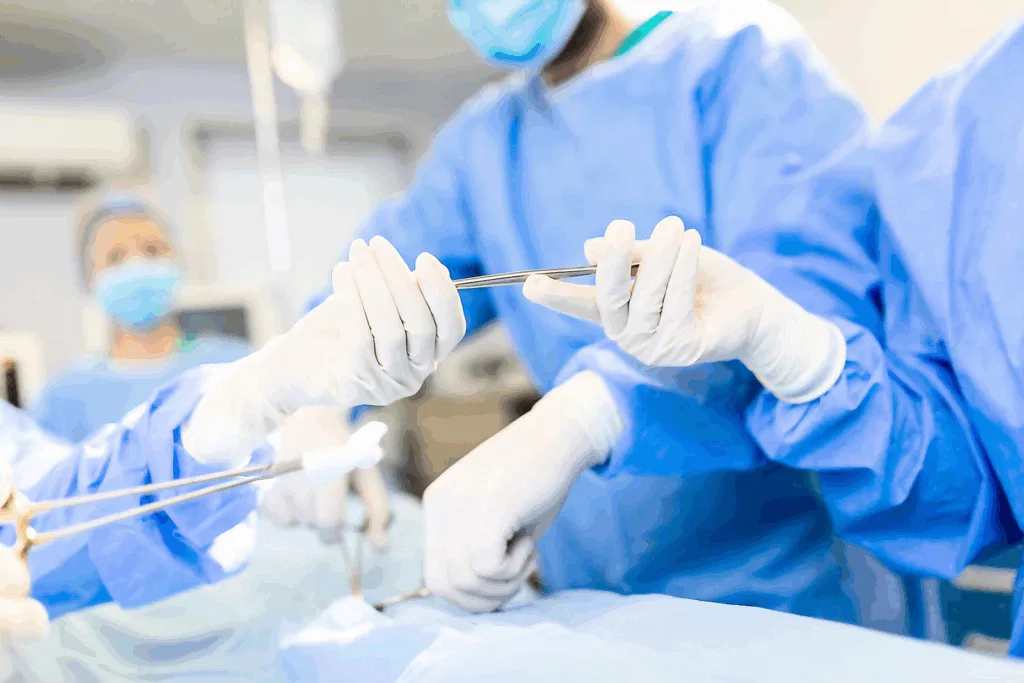
Surgical care for spine conditions has changed in ways that are not always immediately visible to patients. While the goal of addressing structural problems remains the same, the methods used to reach those areas have become more refined over time. These changes are often discussed in terms of technique, but their effect is most noticeable during recovery. Dr. Larry Davidson, a board-certified neurosurgeon with fellowship training in complex spinal surgery, recognizes that newer approaches are designed to limit disruption to surrounding tissue, which can influence how patients experience the recovery process.
Understanding these techniques requires looking beyond the size of an incision or the tools used during surgery. The focus is on how the body is affected during the procedure and how that impact carries into the days and weeks that follow. This perspective helps clarify why some patients recover differently even when undergoing similar procedures.
What Makes a Procedure Less Invasive
Minimally invasive spine surgery refers to techniques that access the spine through smaller pathways rather than large openings. Instead of cutting through muscle to reach the surgical site, instruments are used to separate or move tissue aside gently. This approach reduces the amount of disruption to structures that support the spine.
Specialized imaging and surgical tools allow for precise targeting of the affected area. Whether the goal is to remove part of a disc or relieve pressure on a nerve, the procedure is focused on a specific location rather than a wide surgical field. This level of precision changes how the body responds to surgery, particularly in the early stages of recovery.
The Connection Between Tissue Disruption and Recovery
One of the main factors that influences recovery is how much surrounding tissue is affected during surgery. When muscle and soft tissue are preserved, the body has less to repair in addition to the primary surgical site.
Reduced tissue disruption can influence postoperative discomfort, swelling and overall mobility. Patients may find it easier to begin moving sooner, which supports circulation and helps maintain muscle function. Early movement often plays an important role in preventing stiffness and supporting a gradual return to activity. It does not eliminate recovery time, but it can change how that recovery is experienced.
Earlier Movement and Its Role in Healing
Recovery is no longer defined by extended periods of rest alone. In many cases, patients are encouraged to begin gentle movement shortly after surgery. This shift reflects a better understanding of how controlled activity supports healing.
Early movement can help reduce stiffness, improve circulation and maintain strength in surrounding muscles. It also allows patients to regain a sense of normal movement sooner, which can influence both physical and psychological recovery. The emphasis is not on returning to full activity immediately, but on reintroducing movement in a structured and gradual way.
Shorter Hospital Stays and Transitioning Home
Advances in surgical techniques have also influenced how long patients remain in the hospital. Some procedures that once required extended stays are now performed with shorter observation periods, allowing patients to return home sooner.
Recovering in a familiar environment can provide a sense of comfort and stability. Patients are often able to reestablish daily routines more quickly, which can support overall recovery. At the same time, this approach requires clear guidance on how to manage activity, pain and follow-up care outside of a clinical setting. This transition highlights the importance of preparation and understanding what recovery involves beyond the procedure itself.
Managing Pain Without Overreliance on Medication
Pain management strategies have evolved alongside surgical techniques. Rather than relying on a single method, care plans often combine multiple approaches to address discomfort while supporting recovery.
Medications may be used to manage inflammation and nerve-related pain, but they are typically part of a broader plan that includes movement and rehabilitation. By encouraging early activity and reducing tissue disruption, these approaches can help patients manage discomfort more effectively. This balanced approach allows for recovery that focuses on function as well as symptom control.
Not Every Condition Is Suited for This Approach
While minimally invasive techniques offer advantages in certain cases, they are not appropriate for every condition. The decision depends on factors such as the location of the issue, the number of spinal levels involved, and the overall complexity of the condition.
Localized problems, such as specific areas of nerve compression, are often well-suited for these techniques. More complex conditions may still require traditional approaches to address the underlying issue fully. This distinction reinforces that the choice of technique is based on what best fits the patient’s condition rather than a preference for one method over another.
The Role of Technology in Surgical Precision
Minimally invasive procedures rely heavily on imaging and navigation systems that allow surgeons to visualize the spine in detail during the operation. These tools help guide instrument placement and improve accuracy.
By working within a more focused surgical field, precision becomes essential. Advanced imaging supports this process, allowing for targeted intervention while minimizing unnecessary disruption to surrounding structures. This combination of technique and technology reflects a shift toward more controlled and individualized surgical care.
Recovery Still Requires Active Participation
Even with less invasive techniques, recovery is not passive. Patients play an important role in how well they regain strength and mobility. Rehabilitation programs are often introduced early, focusing on restoring movement patterns and building stability.
Consistency in following these programs helps support long-term outcomes. Gradual progression allows the body to adapt without placing excessive strain on the surgical site. This approach reinforces that recovery is a process that continues beyond the initial healing phase. Dr. Larry Davidson emphasizes that successful outcomes depend not only on the procedure itself but also on how patients engage with their recovery plan and follow through with recommended care.
A Different Perspective on Surgical Recovery
Minimally invasive techniques offer a different way of approaching spine surgery, one that considers not only the procedure but also the experience of recovery. By reducing disruption and supporting earlier movement, these methods can influence how patients move through each stage of healing. This shift places greater emphasis on how the body responds after surgery, rather than focusing solely on the procedure itself.
For patients, this perspective helps set more accurate expectations. Recovery remains a structured process, but one that is shaped by both the surgical approach and the patient’s participation. Understanding this relationship provides a clearer view of how treatment and recovery are connected.
