
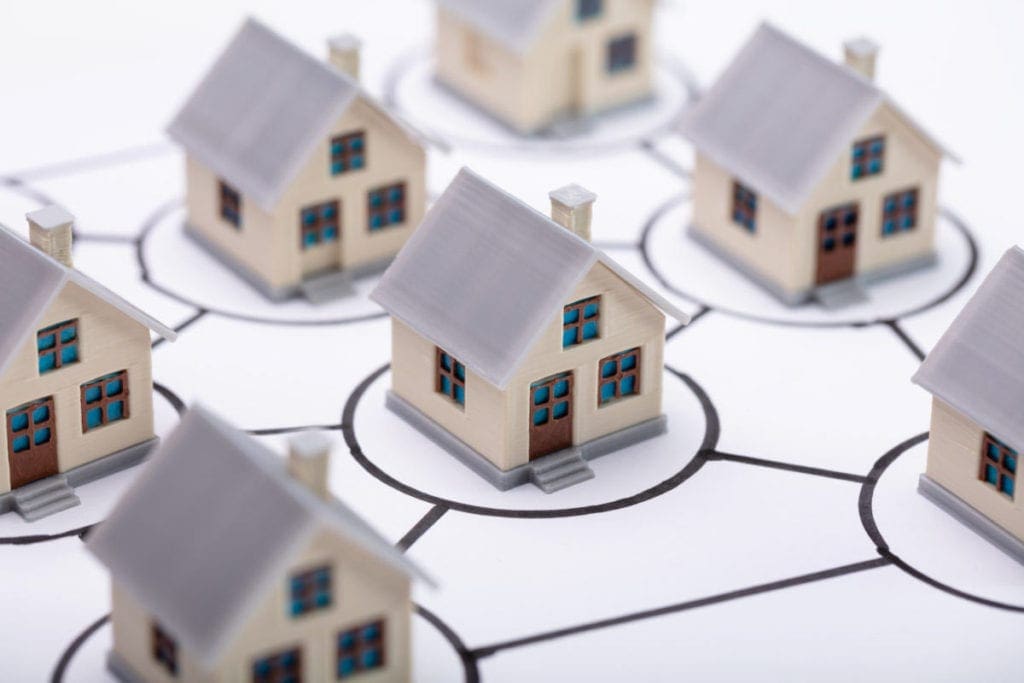
Every shared community has its moments of friction. Whether it is a maintenance concern, a disagreement between neighbours, or confusion around rules, small issues can quickly grow if they are not handled effectively. In many cases, the difference between ongoing frustration and a well-functioning environment comes down to how those situations are managed. This is where HOA property management plays a critical role, acting as the bridge between problems and practical, lasting solutions that benefit the entire community.
Turning Issues Into Opportunities
Complaints are often seen as negative, but they can also be valuable signals. They highlight areas where expectations are not being met or where communication has broken down. Strong management recognises this and treats each concern as an opportunity to improve rather than something to dismiss.
When issues are approached with a problem-solving mindset, the outcome shifts. Instead of simply addressing the immediate concern, there is a chance to look at the underlying cause. This might involve reviewing maintenance schedules, clarifying policies, or introducing better processes. Over time, this approach reduces repeat issues and creates a smoother overall experience for residents.
Communication That Actually Works
One of the most common sources of tension in any community is poor communication. When residents feel uninformed or unheard, even minor issues can escalate. Clear, consistent communication helps prevent this by setting expectations from the outset.
Effective communication is not just about sending updates; it is about making sure those updates are understood and accessible. This might include regular notices, transparent explanations of decisions, and open channels for feedback. When people feel informed, they are far more likely to engage positively with the community and its management.
Equally important is responsiveness. Acknowledging concerns promptly—even if a full solution takes time—helps build confidence. It shows that issues are being taken seriously and that there is a process in place to address them.
Building Trust Over Time
Trust is not created through a single action. It develops gradually, shaped by consistent decisions and fair treatment. In the context of a managed community, this means applying rules evenly, handling disputes impartially, and maintaining a visible commitment to improvement.
Residents are more likely to support decisions when they believe they are being made in the best interest of the community as a whole. This sense of fairness can significantly reduce conflict and encourage cooperation, even when difficult choices need to be made.
Creating a More Positive Living Environment
When complaints are handled effectively, communication is clear, and trust is built over time, the overall atmosphere of a community begins to change. What was once a source of stress becomes something more stable and predictable.
A well-managed environment allows residents to focus less on issues and more on enjoying where they live. The goal is not to eliminate every problem—no community is without them—but to ensure that when challenges arise, they are addressed in a way that strengthens the community rather than divides it.
In the end, strong management is not just about maintaining standards. It is about creating a system where problems are resolved thoughtfully, communication flows freely, and residents feel confident in how their community is run.
