
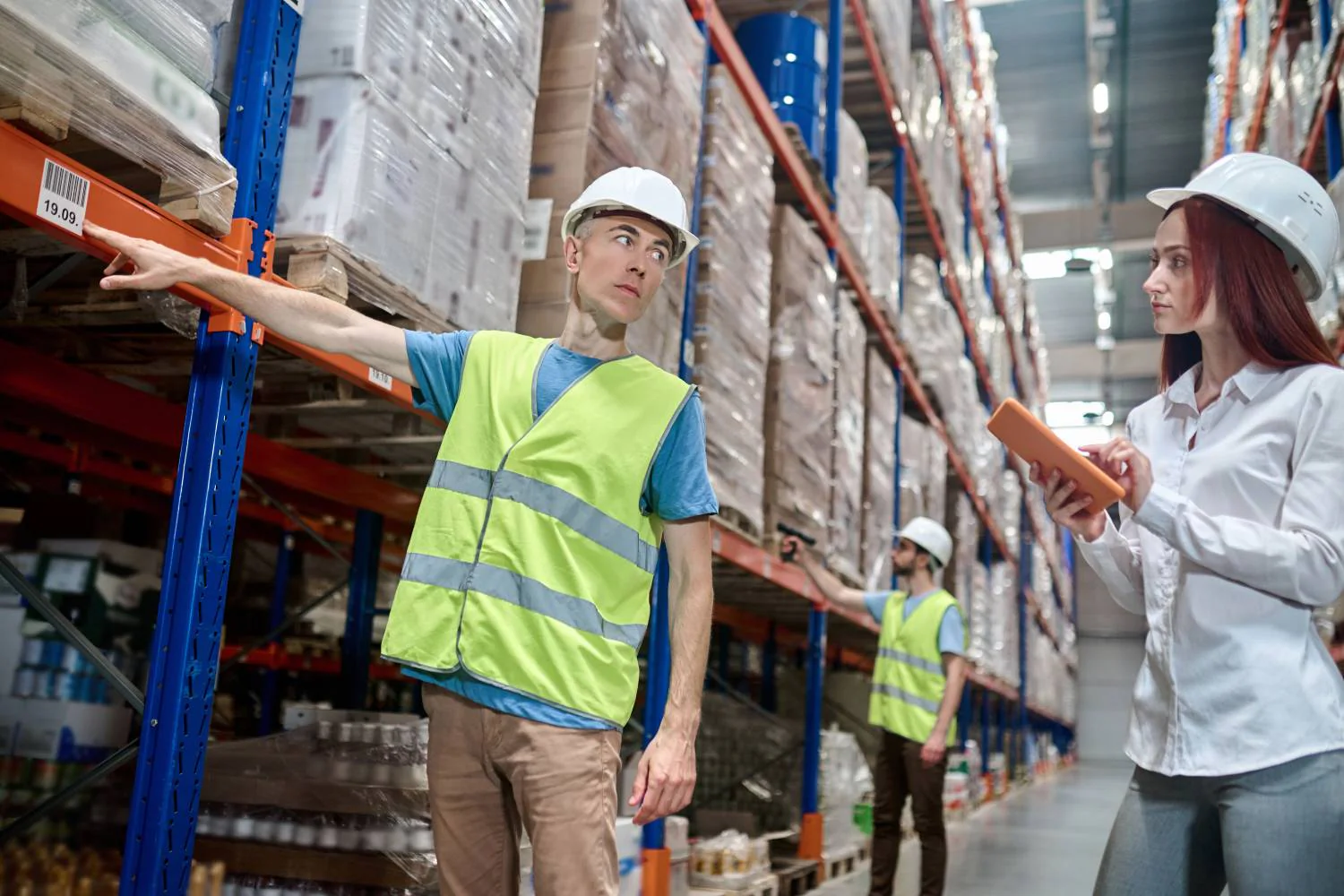
In the high-speed environment of a modern warehouse, pallet racks are the silent workhorses that keep the entire operation organized and efficient. These towering steel structures hold thousands of pounds of inventory, often reaching high toward the ceiling to maximize every square inch of vertical space. However, because they are so ubiquitous and stationary, it is easy for managers and staff to become complacent about their upkeep. This complacency can be dangerous. A single structural failure can lead to a catastrophic collapse, resulting in significant financial loss, destroyed inventory, and most importantly, serious injury to personnel. Understanding and implementing a rigorous safety protocol is not just a regulatory requirement; it is the foundation of a responsible and productive workplace.
The Importance of Regular Professional Inspections
The first and most critical step in maintaining a safe warehouse is the establishment of a formal inspection schedule. While daily walk-throughs by floor supervisors are helpful, they are not a substitute for a thorough professional audit. Over time, pallet racks are subjected to immense stress, subtle shifts in the building’s foundation, and the inevitable occasional bump from a forklift. A professional inspector looks for issues that might be invisible to the untrained eye, such as hairline fractures in welds, slight leans in the upright frames, or compromised floor anchors.
In many jurisdictions, these inspections are required annually, but high-traffic facilities may benefit from more frequent checks. During an inspection, every component of the system is evaluated, from the base plates to the safety clips. Documentation is key here. Keeping a detailed log of every inspection, including photographs and notes on any repairs made, creates a transparent safety record. This not only helps in staying compliant with safety authorities but also provides a roadmap for preventative maintenance, allowing managers to replace aging components before they reach a breaking point.
Managing Load Capacity and Weight Distribution
One of the most common causes of rack failure is overloading. Every pallet rack system is engineered with specific weight limits that must never be exceeded. These limits are determined by several factors, including the gauge of the steel, the height of the beam levels, and the spacing between those levels. It is a common misconception that if a rack looks sturdy, it can handle a little extra weight. In reality, structural integrity is a matter of precise physics, and exceeding the rated capacity even slightly can lead to metal fatigue or sudden buckling.
To manage this risk, every rack should have clear, visible signage indicating its maximum load capacity. Warehouse managers must ensure that employees are trained to understand these limits and that the weight of incoming pallets is verified before they are placed on a high shelf. Furthermore, how that weight is distributed is just as important as the total amount. Heavier loads should always be placed on the lower levels or directly on the floor to maintain a low center of gravity for the structure. Placing heavy items at the top of a rack increases the risk of the system becoming top-heavy and unstable, especially in the event of a seismic tremor or a vehicle impact.
Cultivating a Culture of Safety Reporting
The most sophisticated safety equipment in the world is ineffective if the people on the floor do not feel empowered to speak up. Many warehouse accidents are preceded by warnings that were ignored or unreported. Perhaps a driver noticed a small dent in a column or saw a beam that looked slightly unlevel, but they didn’t say anything because they didn’t want to slow down production. A successful warehouse manager must cultivate a culture where reporting a safety concern is rewarded, not penalized.
Establishing a simple, anonymous reporting system can encourage staff to flag potential issues immediately. When a problem is reported, it should be addressed visibly and quickly. When employees see that their observations lead to real-world repairs and improvements, they take more ownership of the safety of their workspace. Education is the final piece of this puzzle. Regular safety meetings that focus on the “why” behind the rules help workers understand that these guidelines are in place to protect their lives and livelihoods.
