
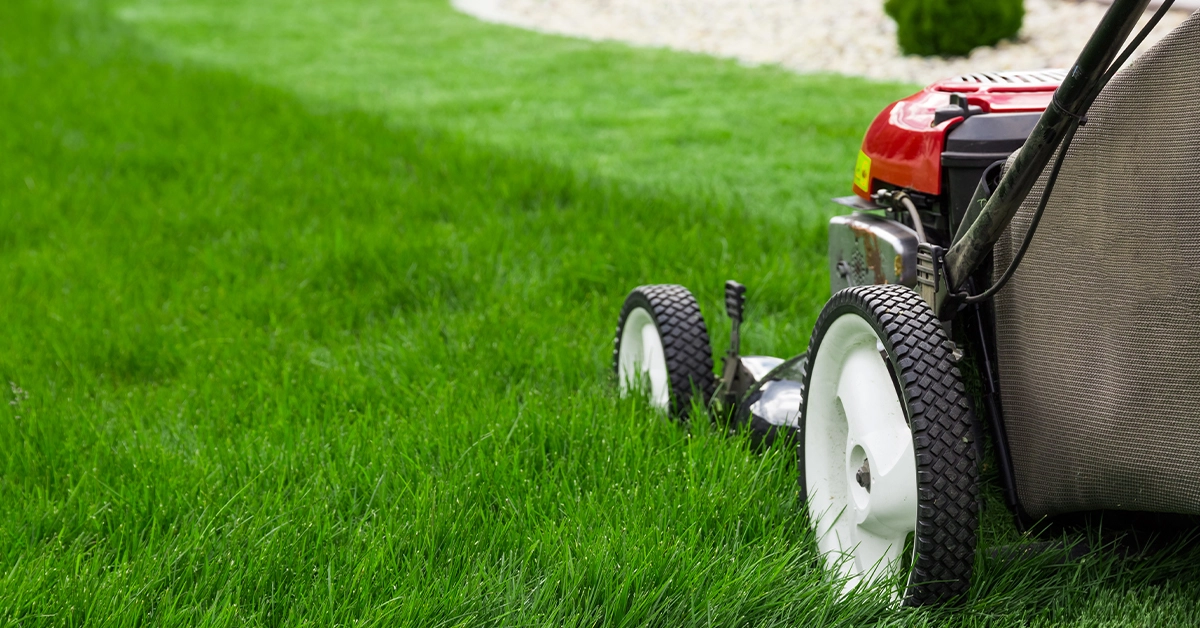
Understanding the Impact of Professional Lawn Care on Your Outdoor Aesthetics
Why First Impressions Matter: The Role of Your Lawn in Curb Appeal
First impressions are crucial in every aspect of life, and your home is no exception. The lawn is often the first thing visitors see, and a well-maintained, lush green lawn immediately communicates care, attention, and a sense of pride in your property. Curb appeal is a vital aspect of real estate; studies suggest that homes with manicured lawns can sell for 5% to 20% more than comparable properties without landscaping. This is largely due to the psychological impact of a beautiful lawn—it not only elevates aesthetic value but also creates a welcoming atmosphere. A thriving lawn invites potential buyers and guests alike to appreciate both the home and the care that has been put into the outdoor space. In stark contrast, a neglected lawn heavy with weeds, brown patches, or invasive species might signal neglect, leading to instant unfavorable judgments about the property, the owners, and even the neighborhood.
Healthy Lawns, Healthy Communities: Environmental Benefits of Lawn Care
Beyond the visual appeal, maintaining a healthy lawn has profound environmental advantages. Lawns are natural air purifiers; they absorb carbon dioxide and release oxygen, contributing to improved air quality. A well-maintained lawn also plays a crucial role in controlling soil erosion and promoting groundwater recharge. Grass roots stabilize soil, preventing it from washing away during rainstorms, and the presence of grass helps reduce runoff, which can carry pollutants into waterways. Moreover, the act of mowing the lawn and maintaining green spaces fosters community engagement, encouraging residents to invest time and effort into their surroundings. Healthy lawns also contribute to biodiversity, providing habitats for various species, including pollinators like bees and butterflies, which are essential for our ecosystem. Thus, investing in lawn care services is not just about aesthetics; it is about fostering a healthy environment for communities to thrive.
Transformative Effects: Case Studies and Before-and-After Lawn Care Projects
The power of professional lawn care is most evident in transformative projects that turn unkempt, barren yards into lush landscapes. Consider the case of a suburban home in Maryland that had a patchy lawn dominated by dandelions and bare earth. After hiring a professional lawn care service, homeowners saw tremendous transformation: the lawns were aerated, fertilized, and seeded with high-quality grass suited to their climate. Within months, the dull brown patches were replaced with vibrantly green, thick grass. Another example can be seen in an urban apartment complex in Chicago, where a neglected courtyard was revitalized with professional landscaping. The service introduced drought-resistant grass, installed an efficient irrigation system, and created inviting pathways lined with ornamental plants. The results not only enhanced the visual appeal but also prompted a sense of community among residents. These case studies illustrate that expert lawn care can dramatically redefine outdoor spaces, yielding benefits that extend far beyond mere aesthetics.
Choosing the Right Lawn Care Service: What You Need to Know
Credentials that Count: What to Look for in a Lawn Care Provider
Choosing the right lawn care service can feel overwhelming, especially with the plethora of options available. Start by investigating the credentials of potential providers. Look for certifications from reputable organizations—such as the National Association of Landscape Professionals (NALP). These certifications indicate a commitment to professional development and adherence to industry standards. A qualified service should also have insurance coverage, protecting you from liability in the event of accidents or property damage during the lawn care process. Customer reviews and testimonials serve as crucial resources; they provide insight into the quality of service and customer satisfaction. Additionally, inquire about the technicians’ training and experience—well-trained staff are important for ensuring effective application of treatments and proper lawn maintenance techniques. Ultimately, selecting a reputable provider not only guarantees immediate improvements but also reflects a long-term partnership aimed at sustaining the health of your lawn.
The Art of Communication: How to Partner with Your Lawn Care Experts
An often-overlooked component of lawn care is communication between homeowners and lawn care professionals. Establishing clear lines of communication can significantly improve the effectiveness of the service you receive. From the initial consultation, articulate your vision for your outdoor space, including your preferences and any specific challenges you’re facing, such as pest control or soil health issues. Regular check-ins with your service provider can help you stay informed about their strategies and progress while allowing you to ask questions and understand the processes involved. A good provider will appreciate your insights and will tailor their services to meet your needs. Additionally, sharing feedback after treatments is invaluable; it enables the technicians to adjust their approaches and deliver results that align more closely with your expectations. Remember, successful lawn care is a collaborative effort that thrives on effective communication and mutual respect.
Budgeting for Lawn Care: Finding Affordable Services Without Compromising Quality
While investing in professional lawn care services can seem daunting financially, proper planning can help you find high-quality services that fit your budget. Start by determining what services are necessary—this could vary from basic mowing and fertilization to more extensive treatments like aeration or pest management. Collect quotes from multiple providers to get an overview of market prices. Don’t hesitate to discuss your budget with potential service providers; many are willing to work with you to create a package that fits your financial constraints. Consider scheduling services during off-peak seasons to potentially secure discounted rates, as many providers experience lower demand during these times. Furthermore, inquire about service bundles that may offer savings compared to individual services. By strategically planning your lawn care budget, you can enjoy a healthy lawn without breaking the bank, ensuring that your outdoor space remains a source of pride for years to come.
Top Lawn Care Techniques that Make a Difference
From Aeration to Fertilization: Essential Practices for Lawn Health
Understanding key lawn care techniques is vital for achieving and maintaining a lush outdoor space. Aeration involves perforating the soil with holes to allow air, water, and nutrients to penetrate down to the roots, effectively enhancing root growth. This is especially beneficial for compacted soil, which restricts root expansion and leads to unhealthy grass. On the other hand, fertilization is crucial for providing essential nutrients that grass requires to grow lushly. Lawn care experts typically recommend applying a slow-release fertilizer, which nourishes the grass gradually over time. Soil testing is advisable before fertilization; it measures nutrient deficiencies and pH levels, allowing for tailored amendments to achieve optimal grass health. Regular practices of mowing at the right height and keeping blades sharp are essential as well—cutting too short can stress the grass and promote weed growth. Together, these practices form the foundation of effective lawn care and can significantly enhance the vitality and beauty of your outdoor space.
Seasonal Lawn Care Strategies: Preparing Your Yard for Each Season
Each season presents unique challenges and opportunities for lawn maintenance, and adapting your lawn care strategy accordingly is crucial for success. In spring, it’s time to awaken your lawn from winter dormancy. Begin with a thorough inspection for weeds and debris, then aerate the soil and apply pre-emergent herbicides if necessary to prevent new weed growth. Moving into summer, focus on irrigation; ensure that your lawn receives at least 1 to 1.5 inches of water per week while addressing high temperatures that can stress grass. The fall season offers a prime opportunity for overseeding—spreading grass seed across the existing lawn enhances density and enriches the overall health of your grass. Finally, in winter, prepare your lawn for dormancy by reducing the mowing frequency and performing a final leaf cleanup to prevent mold and disease. Adapting your lawn care strategies seasonally ensures that you are providing the right kind of care at the right time, setting your lawn up for success year-round.
Innovative Tools and Technology: How Modern Solutions Enhance Lawn Care
With advances in technology, lawn care has become simpler, more efficient, and more effective. Modern lawn care services employ various innovative tools ranging from robotic mowers to smart irrigation systems, allowing for automated, accurate yard maintenance. Robotic mowers can efficiently navigate your lawn, ensuring an even cut while providing the convenience of automated scheduling. Smart irrigation systems utilize weather data to optimize watering schedules, which prevents overwatering while ensuring that your lawn remains adequately hydrated. Additionally, drone technology is being utilized for larger properties; drones can assess grass health by analyzing the color and density of the lawn to inform maintenance practices. Embracing these modern solutions not only enhances the quality of lawn care but also represents an eco-conscious approach to outdoor maintenance, reducing water waste and minimizing physical labor associated with traditional lawn care methods.
Sustainable Lawn Care: Making Eco-Friendly Choices
Smart Watering Strategies: The Importance of Irrigation Systems
Water is a precious resource, and implementing smart watering strategies is integral to sustainable lawn care. Traditional watering methods can often lead to wastage, allowing water to escape from gutters or run off into streets. Modern irrigation systems address this issue by utilizing smart technology such as timers and moisture sensors, which prevent over-irrigation and promote efficient water usage. Rain barrels can also be employed to collect and store rainwater, providing a sustainable watering option with minimal cost. Techniques such as drip irrigation target specific areas, delivering water directly to the roots while reducing evaporation and runoff. These practices not only conserve crucial water resources but also create healthier lawns since consistent and adequate watering promotes deeper root systems, improving drought resistance.
Going Green: Organic Lawn Care Solutions that Nurture the Earth
Organic lawn care solutions are gaining traction among homeowners who wish to reduce their environmental footprint. These methods forgo synthetic fertilizers and pesticides in favor of natural alternatives that enrich the soil and promote overall lawn health without harming the ecosystem. For instance, compost adds organic matter to the soil, supporting microbial activity and improving nutrient availability. Insecticidal soaps and neem oil serve as effective treatments for pest control without harming beneficial insects. Additionally, employing clover in your lawn mix can naturally fix nitrogen in the soil, reducing the need for chemical fertilizers. The shift to organic practices allows homeowners to enjoy healthy lawns while actively contributing to the well-being of the environment—a crucial consideration in today’s landscape where ecological balance is paramount.
The Future of Lawn Care: Trends and Innovations in Sustainability
The future of lawn care is increasingly leaning towards sustainability, characterized by innovative techniques that prioritize environmental health. One key trend is the integration of native plants into lawn design. These plants are adapted to local climates and require less maintenance, reducing water and fertilizer needs, and providing habitats for local wildlife. Furthermore, integrated pest management (IPM) strategies are becoming more commonplace, utilizing biological control methods and cultural practices to prevent pest outbreaks without harmful chemicals. Additionally, there is a growing emphasis on lawn alternatives such as xeriscaping, which promotes drought-resistant landscapes that require minimal watering. As homeowners become more ecologically conscious, the demand for environmentally friendly services will likely shape industry trends, pushing lawn care providers towards embracing sustainable methods that benefit both their customers and the planet. This evolution underscores the commitment to responsible stewardship of green spaces, ensuring that they remain vibrant and flourishing for generations to come.
FAQ
Question: What are the benefits of organic lawn care? – Organic lawn care methods reduce the use of synthetic fertilizers and pesticides, enhancing soil health and promoting an ecological balance. This approach nurtures beneficial organisms, improves nutrient availability, and minimizes the potential for chemical runoff into local waterways.
Question: How often should I mow my lawn for optimal health? – Mowing frequency depends on the grass type and growth rate, but generally, it’s recommended to mow once a week during the growing season. Keeping the grass at the ideal height helps promote thicker growth and discourages weed development.
Question: Can lawn care services help with weed management? – Yes, professional lawn care services often include comprehensive weed management strategies, such as pre-emergent herbicides and proper fertilization techniques, which help prevent weeds from taking root and competing with your grass.
Question: What should I look for when choosing a lawn care service? – When selecting a lawn care provider, consider their credentials, insurance, customer testimonials, treatment options available, and their ability to communicate effectively about your lawn care needs and goals.
Question: What types of grass are best suited for my region? – The best type of grass varies by geographical location and climate. Consult with local lawn care experts or extension services to choose the right grass variety that thrives in your specific conditions.
Question: Is it possible to have a beautiful lawn while being eco-friendly? – Yes, incorporating sustainable practices such as using native plants, smart irrigation systems, and organic lawn care methods allows for maintaining an attractive lawn while minimizing environmental impact.
Question: How can I prepare my lawn for seasonal changes? – Preparing for seasonal changes involves adjusting your lawn care strategies; for example, aerating in spring, ensuring adequate watering in summer, overseeding in fall, and reducing mowing in winter to maintain soil health and prepare for dormancy.
Question: What modern technologies are used in lawn care services? – Lawn care services are increasingly using technologies such as robotic mowers, smart irrigation systems, and drones for monitoring grass health, leading to more efficient and effective lawn maintenance strategies.
Useful Resources
- eXtension – Cooperative Extension Services
- National Association of Landscape Professionals (NALP)
- Successful Farming – Agriculture Resources
- The Lawn Institute
- Turfgrass Producers International
- S. Environmental Protection Agency (EPA)
- Organic Gardening – Rodale Institute
- Save Our Water – California
