
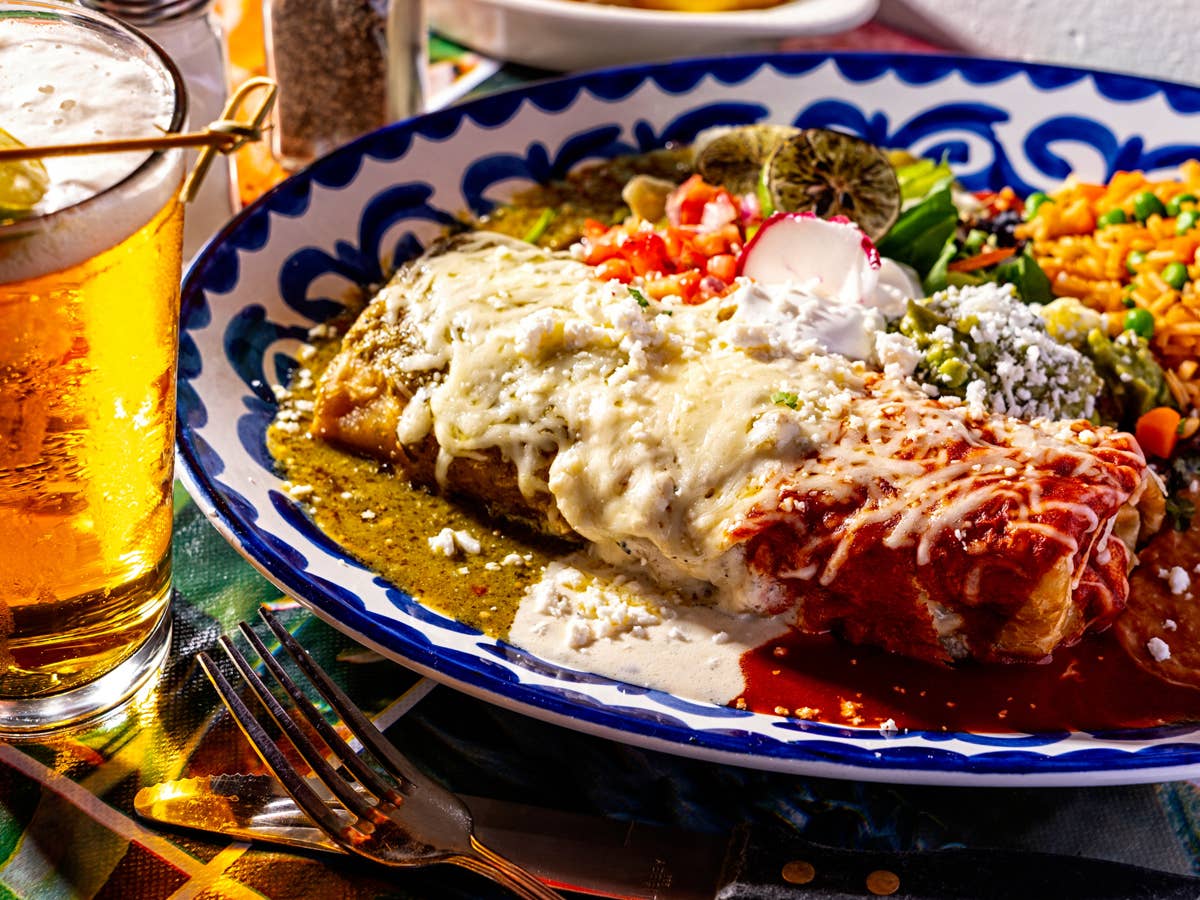
Mexican food has a way of turning an ordinary meal into something memorable. A plate of sizzling fajitas, a bowl of pozole, a stack of enchiladas, or a simple taco can bring together bold flavors, familiar ingredients, and cooking traditions that have been passed down for generations. For many diners, Mexican cuisine is not just about what arrives on the plate. It is also about the balance of textures, the use of fresh ingredients, and the sense of tradition behind each dish.
What makes this cuisine especially interesting is how much variety exists within it. Mexican cooking includes countless regional styles, preparation methods, sauces, and ingredients, so there is no single formula that defines an authentic meal. Some dishes are built around slow-cooked meats, while others highlight seafood, vegetables, beans, corn, or fresh herbs. Exploring those differences can make dining out more interesting, especially for people who want to move beyond the familiar combination of chips, salsa, and tacos.
A Cuisine Built on History and Tradition
Mexican cuisine developed through a long history of Indigenous cooking traditions, European influences, and regional adaptation. Corn, beans, chiles, tomatoes, squash, and a variety of herbs have played important roles in Mexican cooking for centuries. Indigenous communities developed sophisticated ways of preparing these ingredients, including grinding corn for masa and using different chiles to create layers of flavor. Later influences introduced ingredients and techniques that became part of the cuisine without replacing its older foundations.
That history is one reason Mexican food can feel both familiar and surprisingly diverse. A tortilla might be used as the foundation for a taco, folded around a filling, crisped into a shell, or served alongside another dish. Chiles can add heat, but they can also contribute sweetness, smokiness, fruitiness, or depth without making a dish overwhelmingly spicy. Sauces are equally important, often combining multiple ingredients to create flavors that develop gradually with every bite.
More Than Just Tacos
Tacos are among the best-known Mexican foods, but they represent only a small part of a much larger culinary tradition. Enchiladas, tamales, tortas, chilaquiles, pozole, mole, and various regional stews all offer different combinations of ingredients and techniques. Even within a familiar category such as tacos, fillings and preparation styles can vary dramatically. This variety gives diners plenty of opportunities to discover dishes they may not have encountered before.
Another appealing aspect of Mexican cooking is the way simple ingredients can become something much more substantial. Beans can be seasoned and cooked slowly until they develop a rich, satisfying texture. Corn can become tortillas, tamales, or other preparations through different methods of processing. Fresh onions, cilantro, lime, and salsa can then add brightness to dishes built around slow-cooked or deeply seasoned ingredients.
What Gives Mexican Food Its Distinctive Flavor
One of the defining characteristics of Mexican cooking is the careful use of contrasting flavors. Rich meats may be paired with acidic lime, while creamy ingredients can be balanced by fresh salsa or pickled vegetables. Chiles can bring heat and complexity, while roasted tomatoes and onions add sweetness and depth. The result is often a meal that feels layered rather than dominated by a single flavor.
Seasoning also plays a major role. Garlic, cumin, oregano, cilantro, cinnamon, cloves, and other spices may appear in different combinations depending on the dish. Fresh ingredients are often added toward the end of cooking to brighten a meal, while dried chiles and spices can be toasted or cooked to develop deeper flavors. These techniques show why Mexican cooking is as much about preparation as it is about ingredients.
The Importance of Salsa
Salsa deserves special attention because it can completely change the character of a meal. Some salsas are fresh and bright, made with ingredients such as tomatoes, onions, cilantro, and lime. Others rely on roasted vegetables or dried chiles, producing deeper and smokier flavors. A salsa does not necessarily have to be extremely hot to be interesting, since the best versions balance heat with acidity, sweetness, freshness, or savory notes.
Trying different salsas can also be an easy way to understand the range of Mexican flavors. A mild salsa may emphasize roasted tomatoes and herbs, while a chile-based version may have a more complex, earthy character. Some are smooth and blended, while others retain noticeable pieces of their ingredients. When served alongside tacos, grilled meats, or other dishes, salsa becomes more than a condiment, it becomes part of the overall flavor profile.
Regional Variety Makes Every Meal Different
One of the easiest mistakes when discussing Mexican cuisine is treating it as one uniform style of cooking. Mexico contains numerous culinary regions, each shaped by its climate, local ingredients, history, and cultural traditions. Coastal areas have their own seafood traditions, while other regions are known for slow-cooked meats, complex sauces, or distinctive uses of corn and chiles. This regional diversity is one of the reasons Mexican cuisine continues to offer something new even to people who have eaten it for years.
Regional cooking also demonstrates how adaptable the cuisine can be. Ingredients that are abundant in one area may play a much smaller role elsewhere, and cooking methods can change accordingly. Some dishes depend on long simmering or roasting, while others are built around fresh ingredients prepared shortly before serving. Learning a little about these differences can make a restaurant menu easier to explore and give diners a better appreciation for what they are ordering.
From Familiar Favorites to Regional Specialties
Popular dishes often provide an easy introduction to Mexican cuisine. Tacos, quesadillas, enchiladas, and fajitas are familiar choices, but diners can gradually branch out into dishes with different ingredients and preparation methods. Trying a stew, a tamale, or a regional specialty can reveal flavors that are not always represented by the most common menu items. It can also help show how broad Mexican cooking really is.
This approach is particularly useful for people who are hesitant to order something unfamiliar. Starting with a favorite dish provides a comfortable reference point, then adding a new side or appetizer makes experimentation less intimidating. A person who usually orders beef tacos might try a slow-cooked pork dish or a vegetable-based specialty next time. Small changes like these can turn a routine meal into an opportunity to discover something new.
Fresh Ingredients Play an Important Role
Freshness can make a noticeable difference in Mexican cooking. Ingredients such as tomatoes, onions, cilantro, avocados, limes, and peppers are often used to add brightness to dishes that also contain richer ingredients. The contrast between fresh and cooked elements creates a balance that keeps a meal from feeling one-dimensional. Even a simple taco can have several distinct textures and flavors when fresh toppings are combined with a well-seasoned filling.
Corn and beans are also central to many traditional dishes. Corn is used in tortillas and a wide range of other preparations, while beans provide protein, texture, and a satisfying earthy flavor. Together, these ingredients form a foundation that can be complemented by meats, vegetables, cheeses, sauces, and fresh garnishes. Their versatility helps explain why they remain so important across many different Mexican dishes.
Balancing Texture Along With Flavor
Texture is sometimes overlooked when people talk about Mexican food, but it is an important part of the experience. A soft tortilla can contrast with crisp vegetables, while tender meat may be paired with crunchy toppings or toasted ingredients. Creamy beans, fresh salsa, crisp cabbage, and melted cheese can all appear in the same meal without competing with one another. These contrasts make each bite more interesting.
Good preparation is often what brings those textures together. A tortilla needs to be warm and flexible, while grilled ingredients benefit from the right amount of browning. Fresh toppings should add crunch and brightness rather than becoming soggy or overpowering. When those details come together, even familiar dishes can feel thoughtfully prepared.
Choosing What to Order
For someone exploring Mexican food in Texas, the menu can sometimes feel surprisingly extensive. Rather than trying to identify one universally correct choice, it can be helpful to think about what flavors and textures sound appealing. Diners who enjoy smoky flavors might look for grilled meats or roasted chile sauces, while those who prefer something lighter might choose seafood, fresh vegetables, or dishes with citrus. People who enjoy rich flavors can explore slow-cooked meats, mole-based dishes, or hearty stews.
It is also worth paying attention to how a dish is described. Words such as roasted, grilled, braised, stewed, or fresh can provide useful clues about the final flavor and texture. Asking about unfamiliar ingredients is another simple way to make a better choice. Restaurant staff can often explain whether a dish is spicy, rich, mild, or particularly distinctive.
A Simple Way to Explore the Menu
A good meal does not require ordering the most complicated dish on the menu. One practical approach is to choose something familiar as the main course and pair it with an unfamiliar appetizer, side, or salsa. This gives you a comfortable starting point while still leaving room to discover a new flavor. Sharing several dishes can work especially well because everyone gets the opportunity to try different preparations.
Over time, those small experiments can expand your understanding of the cuisine. A dish that initially sounds unfamiliar may become a new favorite after one good experience. Even when a particular choice does not become a favorite, it can help you understand which ingredients, sauces, and cooking methods you enjoy most. That is part of what makes exploring food enjoyable in the first place.
Why Mexican Cuisine Continues to Connect With Diners
Mexican cuisine combines qualities that make it appealing to a wide range of people. It can be casual enough for a quick lunch while also offering elaborate dishes suitable for a longer meal. The food can be spicy and bold, but it can also be mild, fresh, earthy, smoky, or subtly sweet. That flexibility allows different diners to find their own way into the cuisine.
There is also something naturally social about many Mexican meals. Tacos, shared appetizers, salsa, chips, and family-style dishes encourage people to sample different foods and talk about what they are eating. Food traditions become easier to appreciate when they are shared around a table rather than simply read about on a menu. Whether someone is trying Mexican cuisine for the first time or already has a favorite order, there is always another dish, ingredient, or regional style worth exploring.
A Meal That Rewards Curiosity
The most enjoyable way to explore Mexican cuisine is often to stay curious. Instead of focusing only on the most recognizable dishes, diners can pay attention to ingredients, cooking techniques, sauces, and regional influences. A meal can become a small lesson in how flavors work together, particularly when a dish includes several contrasting elements. That sense of discovery keeps the cuisine interesting long after the first plate is finished.
Ultimately, Mexican cooking is appealing because it combines tradition with variety. Familiar ingredients can appear in countless forms, and simple meals can contain a surprising amount of history and technique. Whether the choice is a classic taco, a slow-cooked specialty, or something completely unfamiliar, there is plenty of room to explore. For anyone who enjoys food with character, variety, and a strong connection to tradition, Mexican cuisine offers an inviting place to start.
