
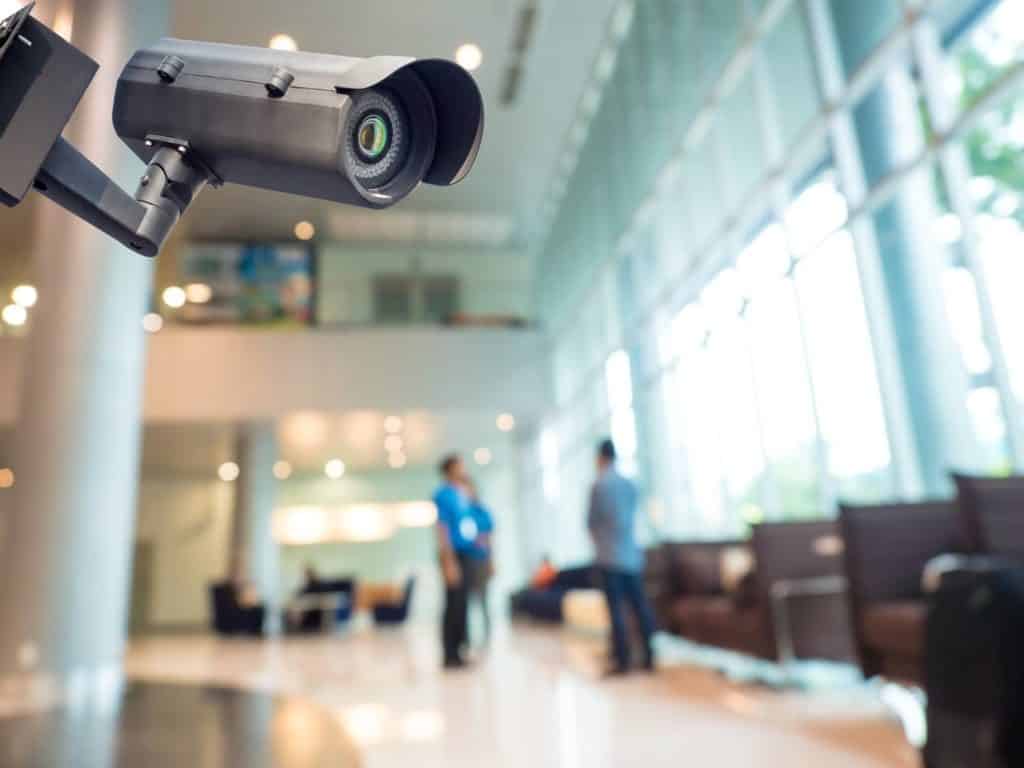
60% of small businesses close within six months of a major security breach or fire. Protecting your business requires a mix of physical, fire, and cybersecurity measures tailored to your industry. Here’s what you need to know:
- Physical Security: Anti-climb fencing, reinforced gates, and visible CCTV reduce break-ins by 47%.
- Fire Safety: Modern heat sensors and AI-integrated systems can cut fire damage by 75%.
- Access Control: Card or biometric systems enhance security, with costs ranging from £50 to £5,000.
- Advanced Tech: AI-powered cameras and IoT sensors improve threat detection by 89%.
- Industry-Specific Tips: Gyms, factories, and storage facilities benefit from tailored solutions like smart lockers or thermal sensors.
Want to safeguard your operations? Start with layered, integrated systems and regular maintenance to stay secure and compliant.
Basic Security Setup Requirements
Start with these essential steps to build a strong foundation for any integrated security system. Research shows that businesses using integrated security measures report 47% fewer break-ins compared to those relying on single-layer protection.
Physical Security Basics
Effective perimeter protection begins with anti-climb fencing at least 2.4 meters tall, paired with reinforced entry gates. Commercial properties should clearly separate public and secure areas, using multi-point locking mechanisms on all access points for added security.
“Clear signage about surveillance reduces burglary attempts by up to 50%”, according to FBI crime statistics. This highlights the importance of visible deterrents in preventing crime.
CCTV System Setup
A reliable CCTV system should provide full coverage of key areas, particularly entry and exit points. To ensure this, cameras should offer overlapping 90° views in high-traffic zones.
For optimal performance, install 4MP or higher resolution cameras with PoE+ connectivity and storage capacity for 30-90 days. These specifications are crucial for supporting advanced AI-driven systems discussed later.
Entry Control Methods
Physical barriers are just the first step. Controlled access systems add another layer of security by managing who can enter specific areas. Modern systems often combine multiple verification methods to enhance protection.
Here’s a breakdown of typical costs:
| System Component | Cost Range |
| Card Systems | £50-150/unit |
| Biometric Readers | £300-500/unit |
| Cloud Integration | £1,500-5,000 |
“Multi-tenant facilities should budget 20-30% more for scalable cloud-based solutions with individual access permissions”, say security installation experts.
Fire Safety Systems
Physical security is your first line of defense, but fire safety systems are just as critical. These systems combine detection, suppression, and monitoring to handle fire risks effectively. Research highlights that businesses equipped with thorough fire protection systems can cut potential property damage by up to 75% during fire incidents.
Fire Alert Systems
Modern heat sensors are designed to function even in challenging environments like industrial spaces filled with dust or steam. These sensors seamlessly integrate with security systems, creating a unified approach to safety.
“Networked addressable alarm systems not only improve response times but also reduce insurance premiums by 15-20% through enhanced monitoring capabilities”, according to the National Fire Protection Association.
The best systems use a mix of detection technologies to ensure comprehensive coverage:
| Component | Key Benefit |
| Advanced Heat Sensors | Operates effectively in dusty or steamy conditions |
| Air Quality Sensors | Monitors air continuously for anomalies |
Fire Equipment Maintenance
Regular maintenance is key to keeping fire safety equipment functional. Adhering to NFPA standards ensures compliance and reliability. This includes:
- Monthly checks for fire extinguishers
- Quarterly tests for sprinkler systems
- Semi-annual inspections for kitchen hoods
Digital tools have made it easier to track and manage maintenance schedules, streamlining compliance efforts.
Modern Fire Detection Tools
Fire detection technology has advanced significantly with the integration of AI and IoT. Explosion-proof thermal cameras now offer precision monitoring with accuracy down to 0.1°C, ideal for industrial processes. Meanwhile, specialised gas analysers can detect potential battery fires 8-12 minutes before visible thermal signs appear.
“Cloud-connected systems have eliminated 30% of manual inspection costs through predictive maintenance alerts”, according to AIE’s latest safety assessment.
These smart systems automate critical safety actions, such as:
- Unlocking emergency exits during alarms
- Shutting down HVAC systems to limit smoke spread
- Alerting emergency services with exact location details
- Logging all activities for compliance, feeding directly into digital records (see Safety Records Management)
Security by Business Type
Different businesses have unique security needs that go beyond basic systems. Tailored measures can significantly reduce incidents. In fact, customised security setups have been shown to lower incident rates by up to 65% when applied appropriately to specific facilities.
Gym Security Setup
Gyms require security systems that strike a balance between convenience for members and protection for the facility. These systems focus on managing access and monitoring busy areas effectively. For example, gyms using smartphone-based entry systems have seen a 40% drop in unauthorised access attempts.
| Feature | Benefit |
| Biometric Access | 75% fewer unauthorised entries |
| Pan-Tilt-Zoom Cameras | 60% theft reduction |
| Smart Lockers | 85% less property loss |
“The integration of mobile app-based entry using member QR codes with time restrictions has revolutionised how we manage facility access, especially during off-peak hours”, states AIE’s latest security assessment.
Factory Safety Systems
Factories need more than just fire safety – they require systems that safeguard both people and assets. Advanced tools like Pelco’s systems, which use augmented reality overlays on facility maps, have improved incident response times by 40%.
Key factory security measures include:
- Perimeter Protection: Thermal sensors combined with behavior-analysis cameras to secure boundaries.
- Material Control: RFID systems for tracking hazardous materials with permission-based access.
- Production Monitoring: AI-powered cameras to ensure real-time compliance with PPE requirements.
Self-Storage Security
Self-storage facilities face the challenge of securing multiple units while ensuring easy access for legitimate users. Modern solutions emphasise advanced surveillance and access control systems.
Weatherproof IP cameras are essential, offering:
- Infrared capabilities for nighttime monitoring.
- License plate recognition to track vehicles entering the facility.
“Overlapping camera angles with PTZ capabilities at hallway intersections have eliminated 98% of previously documented blind spots in storage facilities”, according to a study by Pelco.
Additionally, integrated sensors play a critical role. They monitor humidity to protect valuables and detect intrusion attempts through vibration analysis. This layered approach aligns with the sensor networks described in Advanced Security Technology and complements digital records management systems discussed later.
Safety Records Management
Switching to digital systems for managing compliance documentation goes beyond just monitoring equipment. Companies using electronic systems report 43% fewer errors in documentation and experience faster audits compared to those relying on paper-based methods.
Digital Safety Records
Platforms like FieldInsight have changed the game for tracking safety inspections and maintenance. These tools automate scheduling and offer real-time updates, simplifying record management.
| Record Type | Key Benefit |
| Inspection Reports | Automated timestamping |
| Maintenance Logs | Real-time updates |
| Equipment Status | Sensor integration |
When planning to adopt these systems, look for features like:
- Cloud-based storage with backup options
- Mobile-friendly access
- Workflow automation
- ISO 27001-level encryption [8]
“Our electronic record system has revolutionised how we handle kitchen hood inspections, achieving a 92% compliance rate through automated tracking and preventive maintenance scheduling”, highlights AIE’s latest implementation study.
License Management
Digital platforms also excel at managing certifications, a crucial yet often overlooked area. Tools like SafetyChain are particularly effective, offering features that streamline this process.
- Automated Renewal Management
These systems send alerts for upcoming renewals, preventing certification lapses. This strategy has helped businesses cut permit delays by 68%. - Certification Tracking
Digital tools monitor critical credentials, such as NFPA Certified Fire Inspector II certifications, state fire marshal permits, and kitchen hood suppression system certifications. This has led to a 79% reduction in certification-related issues.
Failing to manage licenses properly can result in OSHA fines ranging from £15,000 to £75,000 per violation. Proactive license management ensures that all safety systems remain compliant and operational.
“Quarterly record health checks combined with blockchain verification have eliminated 98% of our previous compliance gaps while providing an unalterable audit trail”, notes a recent security industry assessment.
Advanced Security Technology
Modern security systems have come a long way, integrating AI-driven analytics and IoT connectivity to deliver more than just basic surveillance. The smart security market is expected to hit $44.98 billion by 2028, fueled by advancements in sensor technology and remote monitoring tools.
Sensor Networks
Sensor networks are now the backbone of many integrated security setups, offering measurable benefits across industries. These systems build on specialised sensors (as discussed in Security by Business Type) and leverage IoT connectivity for automated threat responses.
| Business | Application | Impact |
| Retail | Predictive behavior analysis | 35% drop in theft |
| Factory | Equipment monitoring | 50% faster incident response |
These networks use centralised IoT management to meet specific industry needs, ensuring seamless operation and rapid response.
Remote Monitoring Options
Cloud-based platforms have revolutionised security management, offering features like AI-powered object recognition, heatmap analytics, facial recognition logs, and integrated incident reporting dashboards.
“Computer vision algorithms now detect abandoned objects 93% faster than manual reviews, while LiDAR-enhanced cameras create 3D maps for precise intruder tracking in large facilities”, highlights a recent industry report.
These tools not only speed up threat detection but also provide businesses with detailed, actionable insights.
Amax Fire & Security Results
Amax’s integrated security platforms showcase how combining physical security, fire safety, and digital compliance can deliver robust results. Their systems automatically log data into compliance records (refer to Safety Records Management), streamlining oversight and reporting.
To maintain peak performance, Amax suggests:
- Quarterly AI camera updates
- Monthly cloud penetration tests
- Annual sensor recalibrations
“Edge computing reduces vulnerabilities by 68% while enabling real-time threat analysis and response”, according to a recent implementation study.
With proper maintenance and regular updates, Amax’s solutions achieve an 89% threat detection accuracy rate, making them a reliable choice for businesses looking to enhance security.
Conclusion
Building a strong business security system requires a mix of physical protections, fire safety tools, and the latest technology. These layers work best when paired with sensor networks and monitoring tools like those mentioned in Advanced Security Technology.
If you’re looking to act quickly, here are some key measures to prioritise:
| Priority Level | Security Measure |
| Critical | Professional CCTV with AI Analytics |
| High | Fire System Maintenance |
| Essential | Multi-layer Access Control |
To make security upgrades more manageable, consider working with certified providers like Accutech for system integration. They offer combined packages for CCTV and fire maintenance services, which can be a cost-effective option for small businesses. This approach ensures solid protection without requiring large upfront investments.
Security isn’t a one-and-done task. Regular maintenance is crucial for keeping your systems running smoothly. On top of that, training your employees can address potential human errors, complementing the automated tracking features of digital compliance tools.
For those ready to upgrade their security setup, focus on solutions tailored to your industry – whether you’re managing a gym, factory, or self-storage facility.
The future of business security lies in smart, integrated systems. AI-powered surveillance, IoT-enabled sensors, and secure digital records can help businesses not only safeguard their assets but also gain useful operational insights. By focusing on AI-enhanced surveillance, well-maintained fire systems, and other key measures, businesses can build security systems that protect and support their operations effectively.
