
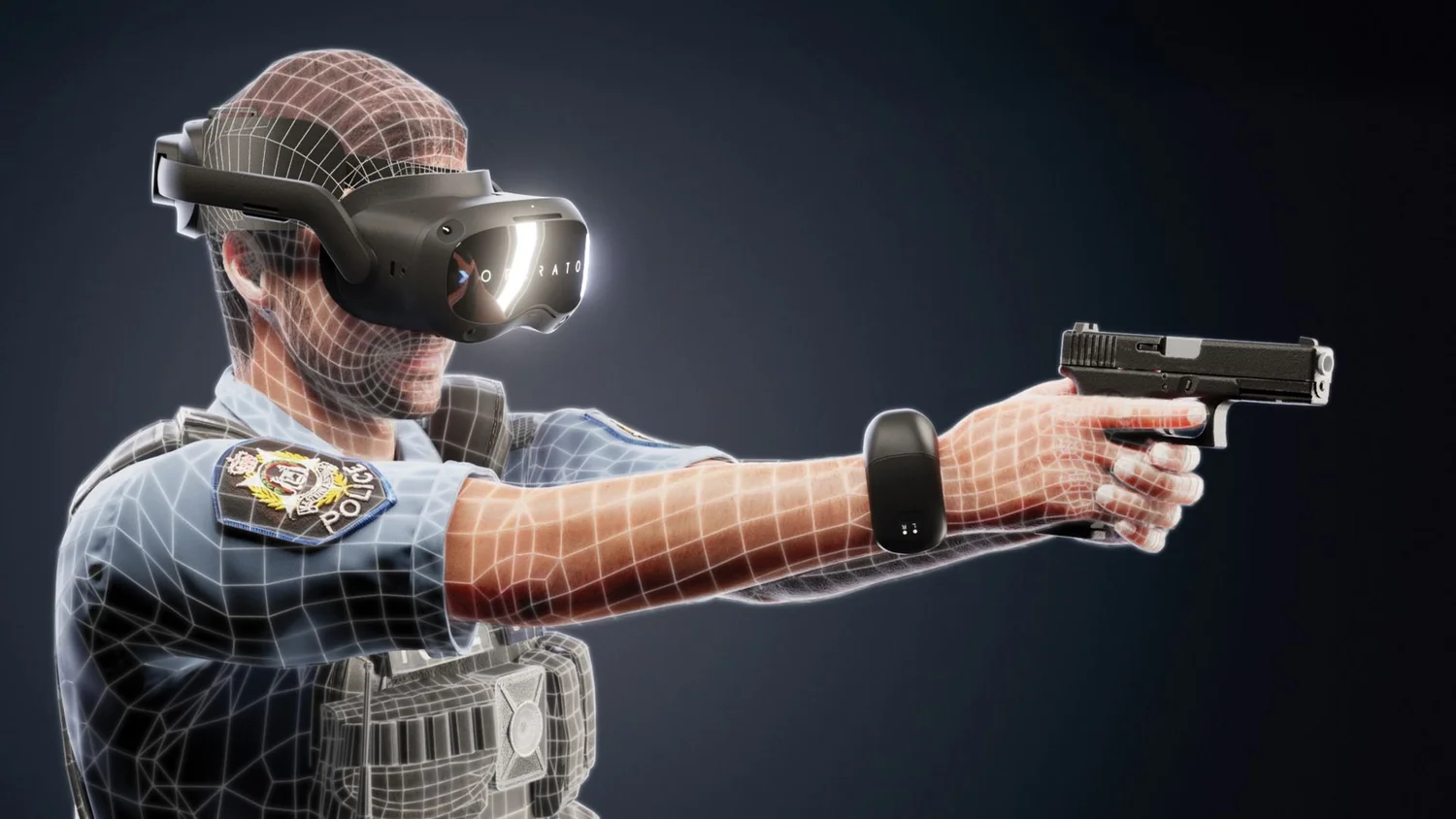
Preparing officers for real-world situations requires training methods that go beyond theory and static instruction. VR training for law enforcement has emerged as a powerful tool for enhancing scenario-based learning, allowing officers to engage with realistic situations in a controlled and repeatable environment. By simulating complex scenarios, this approach helps develop critical skills that are difficult to replicate through traditional training methods.
One of the key advantages of VR training for law enforcement is its ability to create immersive and realistic scenarios. Officers can be placed in situations that closely mirror real-life incidents, such as traffic stops, public disturbances, or high-pressure decision-making environments. This level of immersion encourages participants to respond as they would in real situations, making the training more relevant and effective.
Repetition is another important aspect of scenario-based learning. In traditional training, recreating the same scenario multiple times can be time-consuming and resource-intensive. VR training allows scenarios to be repeated easily, enabling officers to practice and refine their responses. This repetition helps reinforce learning and build confidence, as individuals become more familiar with different types of situations.
Decision-making skills are significantly enhanced through this approach. In a VR environment, officers are required to assess situations quickly, consider available information, and choose appropriate actions. These decisions can then be reviewed and analysed, providing valuable feedback on performance. This process helps individuals understand the consequences of their actions and identify areas for improvement.
Another important benefit is the ability to introduce a wide range of scenarios that may not be feasible to recreate in real life. VR training for law enforcement can simulate rare or high-risk situations, allowing officers to gain experience without exposure to actual danger. This expands the scope of training and ensures that individuals are better prepared for unexpected events.
Adaptability is also a key feature of VR-based scenario training. Scenarios can be adjusted to reflect different conditions, such as varying levels of difficulty or changes in the environment. This flexibility allows training programmes to be tailored to different skill levels and objectives, ensuring that each participant receives an appropriate level of challenge.
Feedback and evaluation are integral to the learning process. VR systems often include tools that track performance, providing detailed insights into how individuals respond during scenarios. This data can be used to identify strengths and areas for development, supporting more targeted training. Immediate feedback helps reinforce learning and encourages continuous improvement.
Safety is another important consideration. Scenario-based training in real environments can involve risks, particularly when dealing with complex or high-intensity situations. VR training provides a safe alternative, allowing officers to practice without the possibility of physical harm. This enables more extensive training opportunities while maintaining a controlled environment.
Collaboration can also be incorporated into VR training. Multi-user scenarios allow teams to work together, improving communication and coordination. This is particularly important in law enforcement, where effective teamwork is often essential for managing incidents successfully.
The ability to standardise training is another advantage. VR scenarios can be designed to ensure that all participants experience the same conditions, making it easier to maintain consistent training standards. This helps ensure that all officers are prepared to a similar level, regardless of location or resources.
Understanding how VR training for law enforcement improves scenario-based learning highlights its value in modern training programmes. By combining realism, repetition, and detailed feedback, it provides a comprehensive approach to developing skills that are critical in real-world situations.
As training methods continue to evolve, VR offers a way to enhance both the quality and effectiveness of learning. By integrating this technology into training programmes, law enforcement agencies can better prepare officers for the challenges they may face, supporting improved performance and decision-making in the field.
